
- What Are Digital Products? (Definition)
- Examples of Digital Products (Categorized)
- Why Are Digital Products So Valuable?
- Business Models for Digital Products
- How Do You Create a Digital Product? (Quick Overview)
- Successful Examples of Digital Products
- When Is It Worth Building a Digital Product?
- Conclusion
What Are Digital Products? Definition, Examples & Business Models
- What Are Digital Products? (Definition)
- Examples of Digital Products (Categorized)
- Why Are Digital Products So Valuable?
- Business Models for Digital Products
- How Do You Create a Digital Product? (Quick Overview)
- Successful Examples of Digital Products
- When Is It Worth Building a Digital Product?
- Conclusion
Digital products are now a core component of modern business models - from startups to large enterprises. But what exactly are digital products, what types exist, why are they so valuable, and how are they actually created?
In this guide, you’ll get a clear definition, practical examples, benefits, business models, and an overview of how digital products are developed professionally.
If you’re already looking to build a digital product, you can find our dedicated page here:
👉 Digital Product Development – Web & App Development From a Single Source
What Are Digital Products? (Definition)
A digital product is an intangible good that is created, used, and distributed online. It is not physical - instead, it consists of software, data, media content, or digital services.
Characteristics of Digital Products
- Non-physical
- Infinitely scalable (no production or storage costs)
- Deliverable online
- Often usable in an automated way
- Created once – sold or used an unlimited number of times
Digital products can be software, apps, platforms, media, or knowledge-based products.
Examples of Digital Products (Categorized)
Digital products can be grouped into several categories:
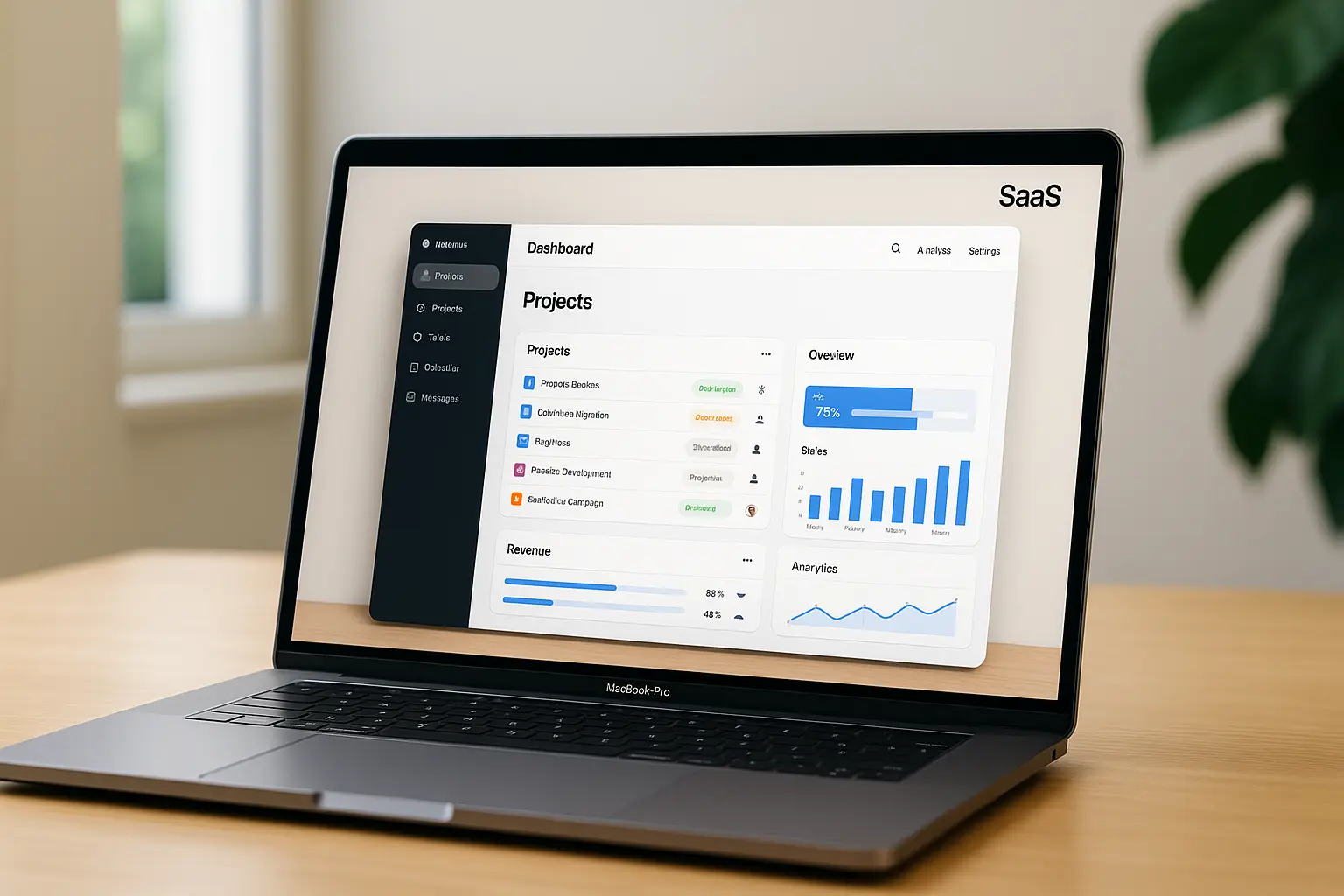
1. Software & SaaS Products
These are the most well-known digital products - they solve concrete problems and are often sold as subscriptions.
Examples:
- Project management tools (Asana, Trello)
- Accounting software (Lexoffice)
- Platforms like Notion or HubSpot
- Custom SaaS products built by companies
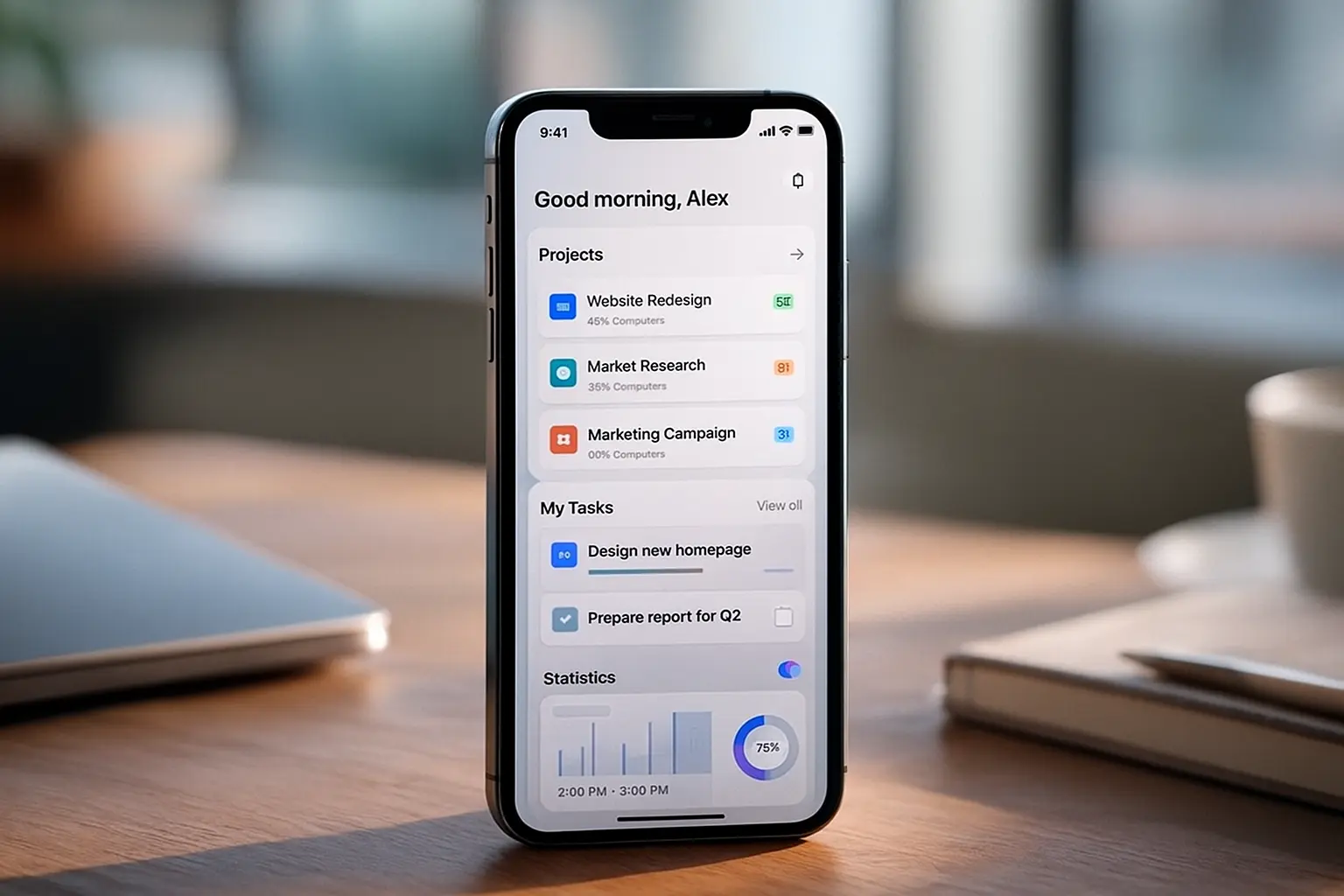
2. Mobile Apps
Mobile apps are a mass-market category ranging from utility apps to social media.
Examples:
- Fitness apps
- Banking apps
- E-learning apps
- Delivery service apps
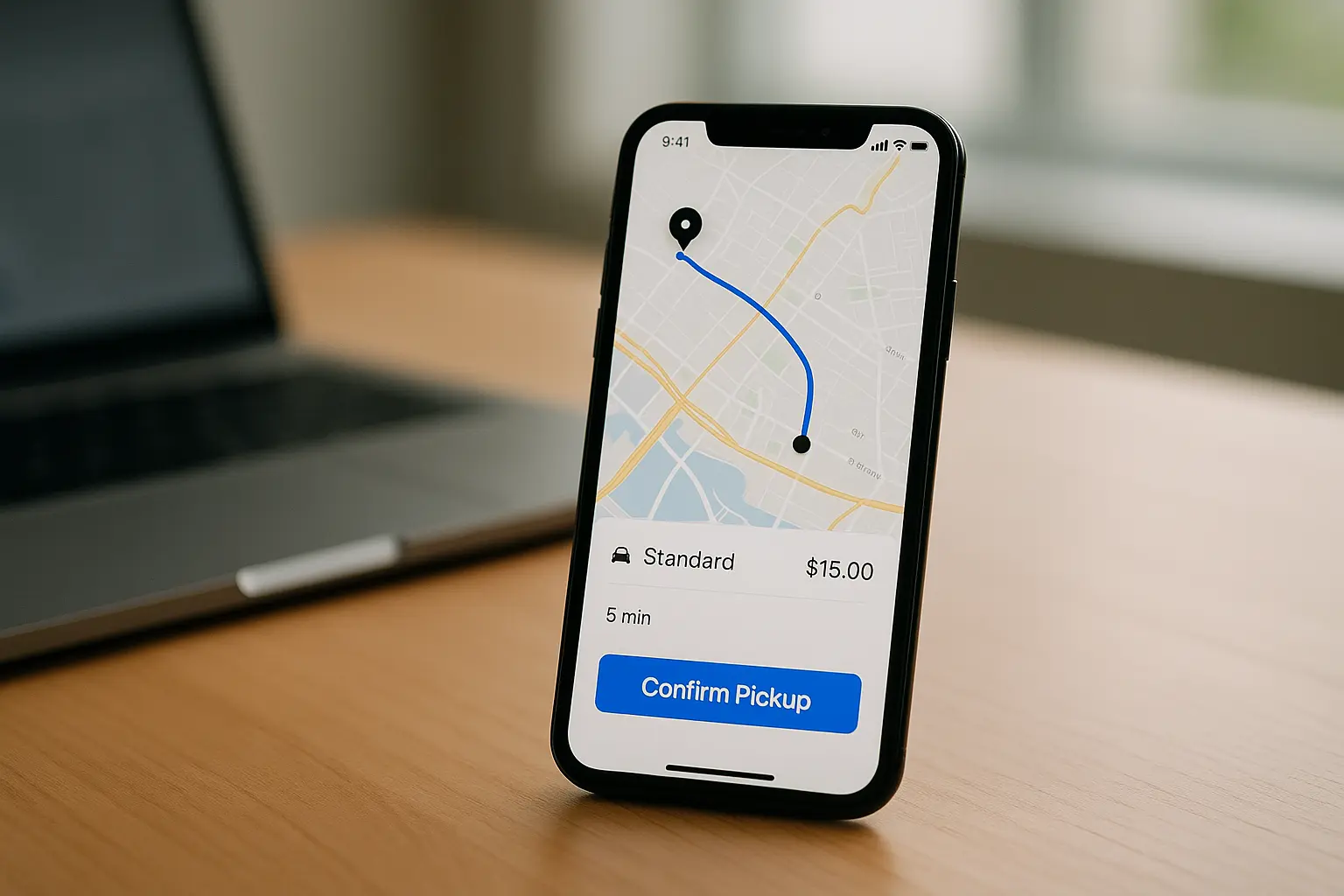
3. Digital Marketplaces & Platforms
These products connect supply and demand and are among the most scalable digital models.
Examples:
- Marketplaces for used goods
- Booking platforms
- Delivery & logistics platforms
4. Digital Content & Media
Ideal for creators, coaches, consultants, or companies.

Examples:
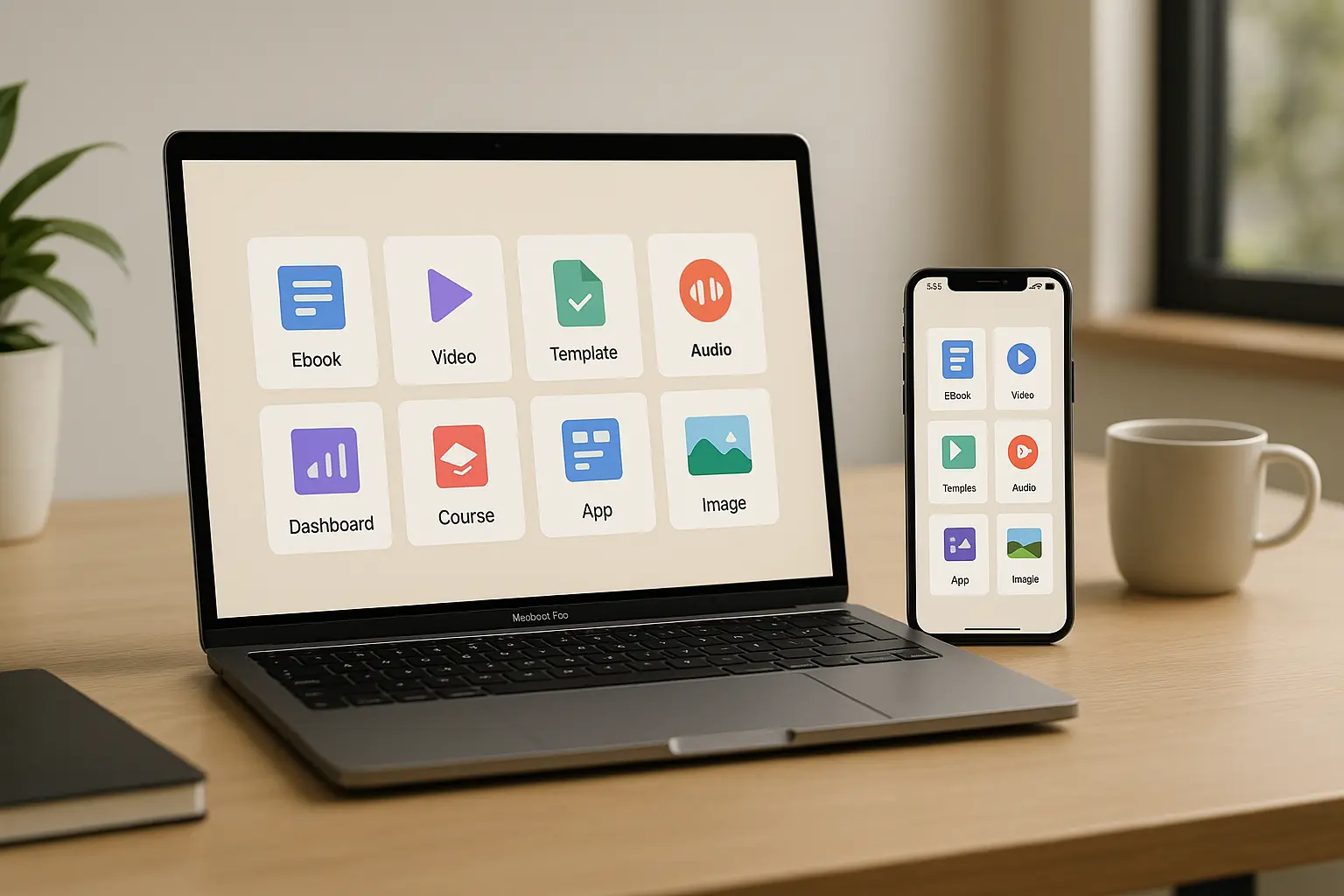
- E-books
- Online courses
- Templates & Notion trackers
- Music, videos, photo packs
5. Digital Services & Automations
Services that are delivered digitally also count as digital products.

Examples:
- Automated chatbots
- AI-powered consulting
- Digital reporting
- Subscription-based services
Why Are Digital Products So Valuable?
Digital products offer advantages that physical products can never match.
1. Infinitely Scalable
Once created, you can sell digital products thousands of times without additional production costs.
2. Low Operational Costs
No storage, logistics, or shipping required.
3. High Margins & Recurring Revenue
Especially in SaaS or subscription-based models.
4. Global Reach From Day One
Digital products are location-independent and instantly usable worldwide.
5. Automated Business Models
Sales, delivery, onboarding, usage - much of it can run without manual work.
Business Models for Digital Products
Digital products enable flexible, automated, and extremely profitable business models.
1. One-Time Purchase
Examples: E-books, templates, apps with a one-time fee.
2. Subscription Models (SaaS)
The most successful model.
Examples:
- SaaS tools
- Membership areas
- Subscription apps
3. Freemium Model
Part free, premium features paid (e.g., Spotify, Notion).
4. Marketplace Model
The operator earns through commissions.
5. Platform Ecosystems
App stores, add-on marketplaces, API-based services.
How Do You Create a Digital Product? (Quick Overview)
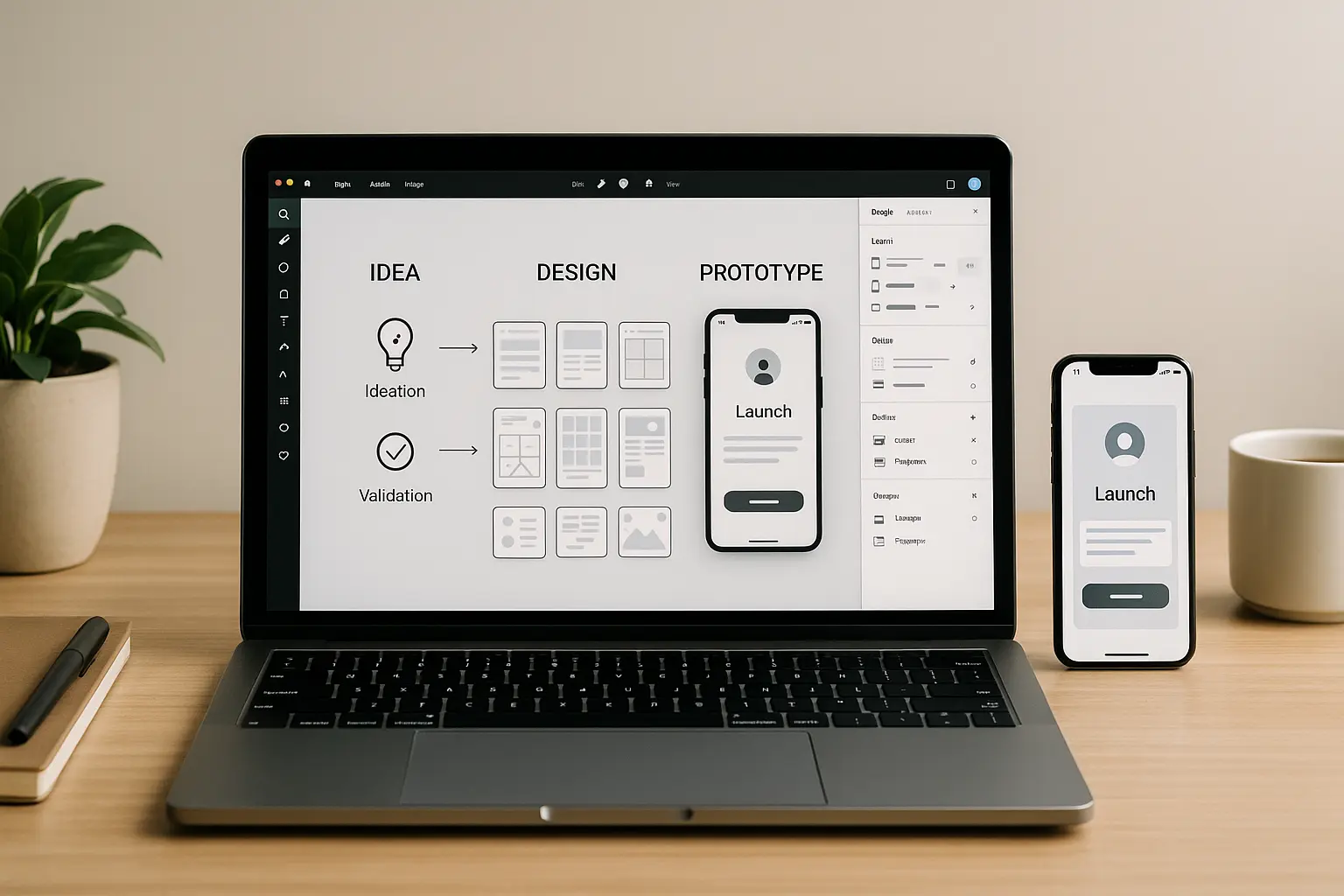
Developing digital products follows a clear process:
- Idea & problem validation
- UX/UI design
- Prototyping & testing
- Web or app development
- Launch & scaling
If you want professional support:
👉 Here’s how we develop digital products.
Successful Examples of Digital Products
Some inspiring digital products that became global successes:
- Blinkist – digital knowledge product
- Clark – insurance app
- Too Good To Go – marketplace
- Freeletics – fitness app
- Spotify – subscription model
- Notion – SaaS tool
These examples show:
Digital products can emerge in any market - B2B, B2C, SaaS, platform, subscription.
When Is It Worth Building a Digital Product?
A digital product makes sense when:
- you want a scalable business model
- you want to digitize processes
- you want to open new revenue streams
- you’ve identified a problem many people share
- your company wants to grow digitally
Conclusion
Digital products are the foundation of modern, scalable business models. They are flexible, profitable, and have the potential to transform entire industries.
If you want to build your own digital product - whether app, web app, or platform - we’re happy to support you.
Newsroom Ideas, Design & Technology in Motion
Practical insights on AI integration, headless e-commerce, UX/UI design, and digital product development. Case studies, implementation guides, and expert perspectives from the MVST team in Munich and Barcelona.

Breastkeeper Institute: A Full Brand Ecosystem, Built End-to-End
Ghida El BadriAug 07, 2026
Zurhorst Meditation Shop: A Conversion-First Relaunch
Ghida El BadriAug 05, 2026
Welcome to MVST, Tudor Verzes
Ghida El BadriJul 20, 2026