
MVP vs. Full Product: What Should You Build First?
One of the most common questions in digital product development is:
Should we start with an MVP or build the full product right away?
The wrong decision can waste time, budget, and momentum.
The right decision accelerates learning, reduces risk, and enables scale.
This article explains when an MVP makes sense, when a full product is the better choice, and how to decide.
What an MVP Is – and What It Is Not
An MVP (Minimum Viable Product) is the smallest meaningful version of a product that allows you to collect real user feedback.
An MVP is not:
- a broken product
- a low-quality prototype
- an unfinished solution
A good MVP:
- solves one core problem
- is usable and stable
- generates real insights
When an MVP Makes Sense
An MVP is a good choice when:
- the problem is not fully validated
- the market is new or uncertain
- speed matters more than completeness
- budget or resources are limited
- learning and iteration are key
👉 Goal: Validate fast, learn early.
When an MVP Is Risky
An MVP can be the wrong choice when:
- users expect high quality
- the product operates in a regulated space
- trust and brand perception are critical
- the product is complex or mission-critical
In these cases, a minimal start can:
- damage trust
- produce misleading feedback
- increase long-term cost
When a Full Product Makes Sense
A full product is often the better choice when:
- requirements are clear
- the market is known
- the product is strategically important
- existing processes are being digitized
- scalability is required from day one
👉 Focus here is stability, quality, and long-term growth.
MVP vs. Full Product – A Comparison
|
Criteria |
MVP |
Full Product |
|---|---|---|
|
Time to market |
Fast |
Medium to long |
|
Initial cost |
Lower |
Higher |
|
Risk |
Lower |
Higher |
|
Learning speed |
High |
Lower |
|
Scalability |
Limited |
High |
|
Brand impact |
Neutral to risky |
Strong |

Common MVP Mistakes
- Too many features
- No clear target user
- Poor UX
- Short-term technical shortcuts
- MVP never evolves
👉 An MVP is a starting point, not the final product.
How We Decide at MVST
At MVST, we don’t push MVPs by default.
Instead, we ask:
- What risk needs to be reduced?
- What must be validated?
- How important is brand perception?
- How quickly does this need to scale?
Often the best solution is:
👉 A strategic MVP built with a clear scaling roadmap.
Conclusion
MVP vs. full product is not a dogma.
It’s a strategic decision based on goals, market, risk, and timing.
Make it consciously - and you gain clarity instead of rework.
👉 Need help deciding?
We support teams with:
- product strategy
- MVP definition
- UX/UI design
- development & scaling
Newsroom Ideas, Design & Technology in Motion
Practical insights on AI integration, headless e-commerce, UX/UI design, and digital product development. Case studies, implementation guides, and expert perspectives from the MVST team in Munich and Barcelona.
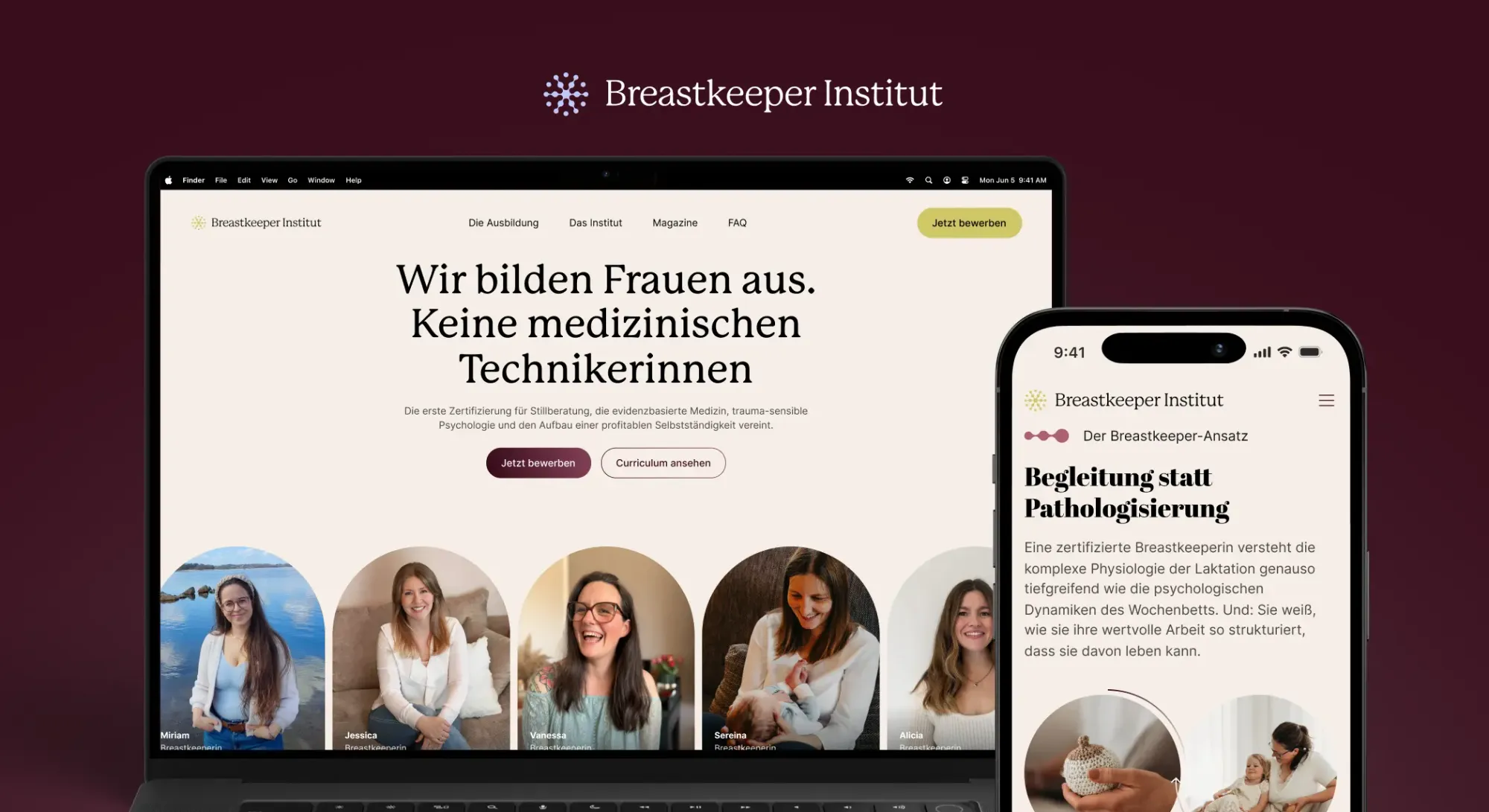
Breastkeeper Institute: A Full Brand Ecosystem, Built End-to-End
Ghida El BadriAug 07, 2026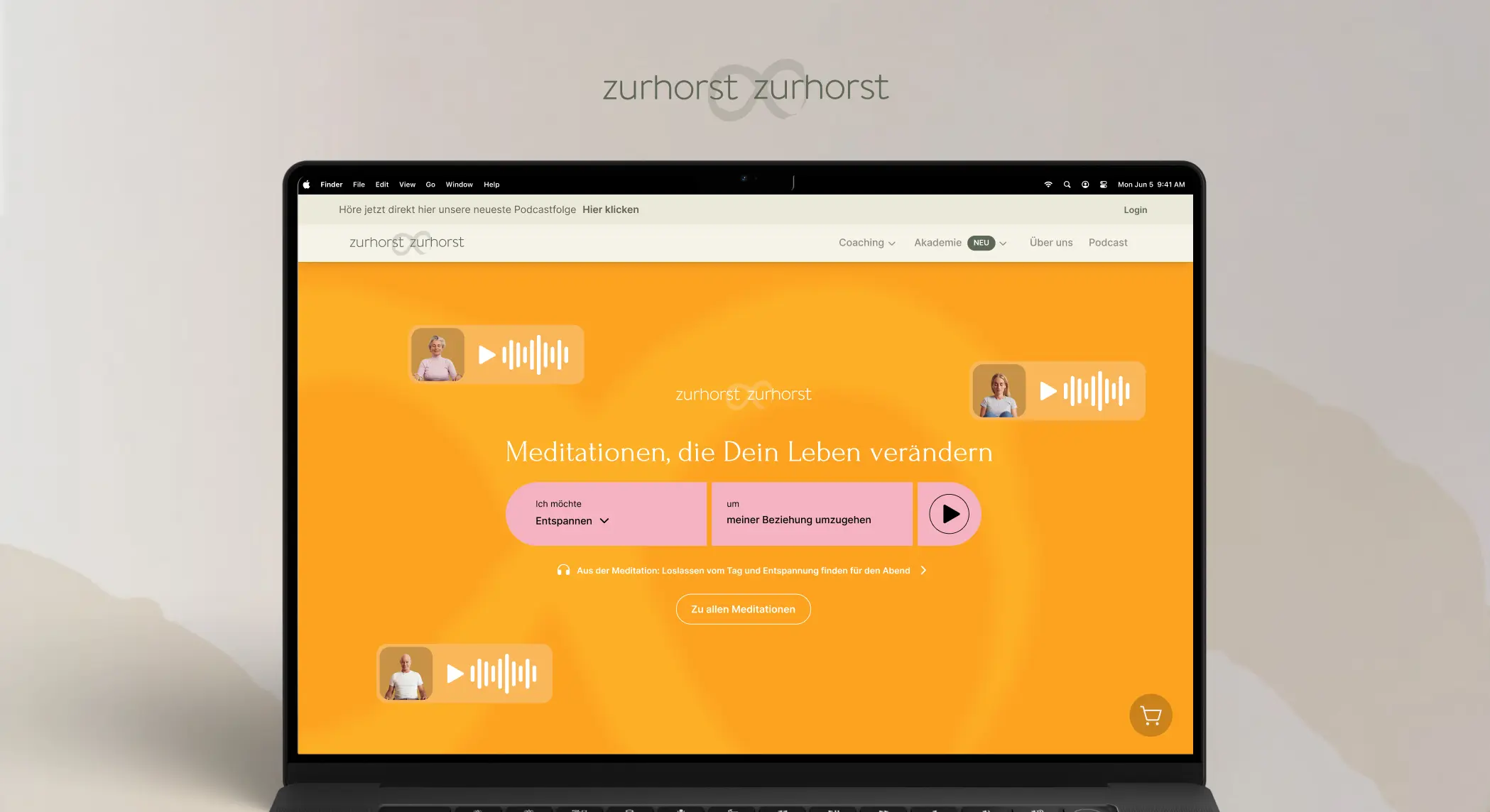
Zurhorst Meditation Shop: A Conversion-First Relaunch
Ghida El BadriAug 05, 2026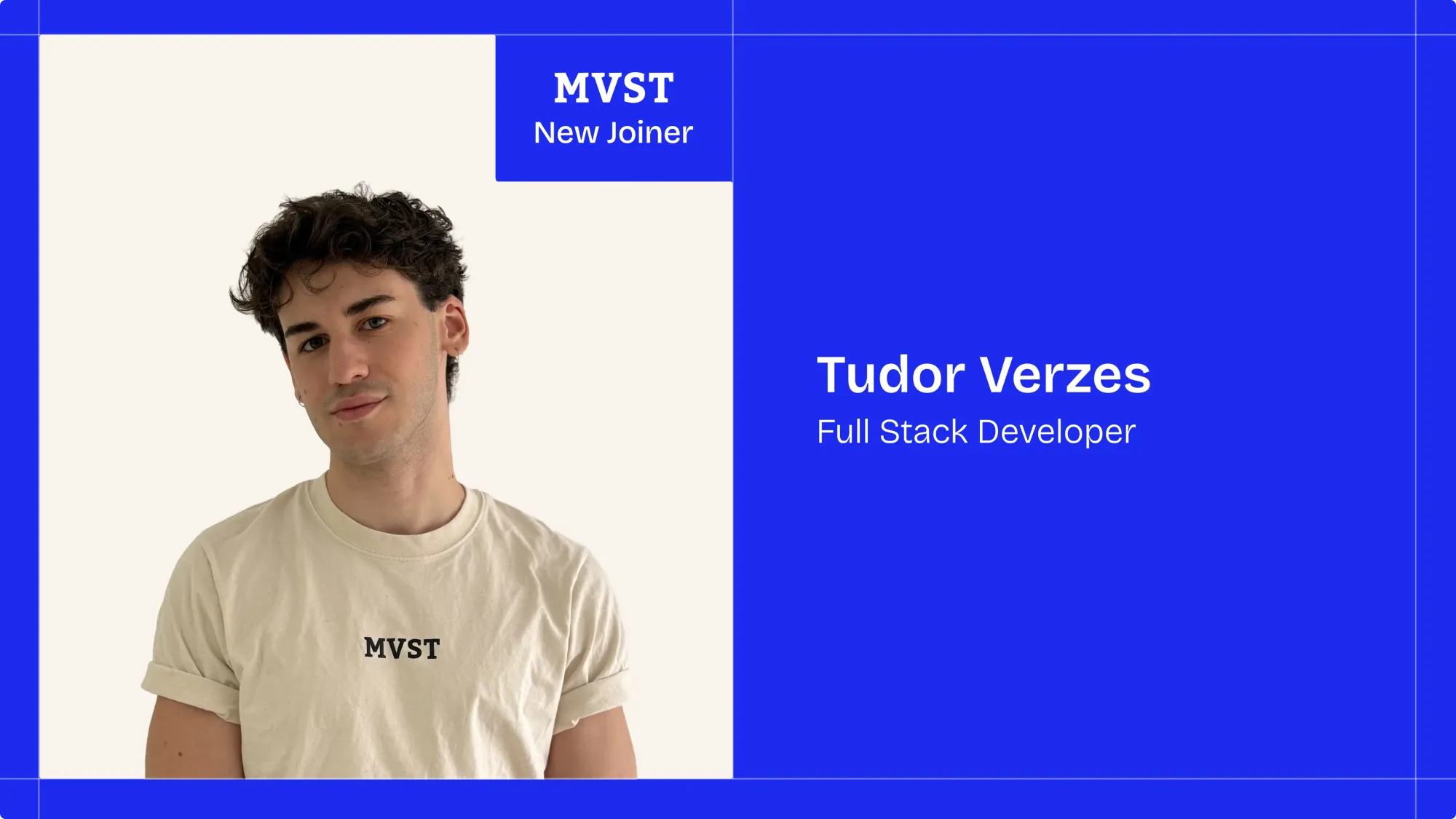
Welcome to MVST, Tudor Verzes
Ghida El BadriJul 20, 2026