
Digital Product Development: From Idea to Scalable Product
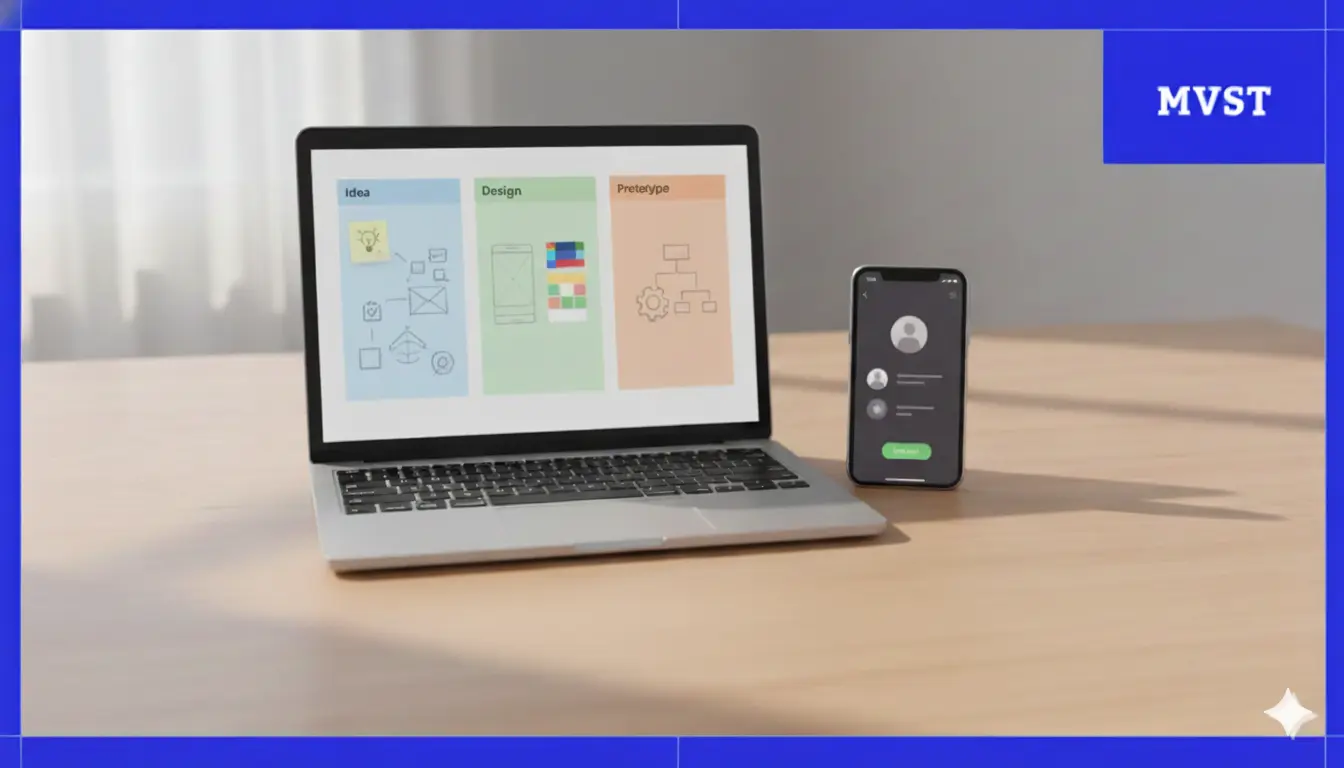
Digital products don’t succeed by chance.
Successful apps, platforms, and SaaS solutions are built through a structured development process, informed decisions, and a deep understanding of users, technology, and business goals.
In this guide, we explain how digital products are developed professionally - from the initial idea to a scalable solution.
Why a Structured Product Development Process Matters
Many digital products fail not because of technology, but due to missing validation, poor UX, or wrong priorities.
A clear development process helps to:
- reduce risk early
- control costs
- deliver value faster
- build scalability from day one
1. Idea & Problem Validation
Every digital product starts with an assumption:
“This product solves a real problem.”
Before design or development begins, this assumption must be validated.
Typical steps include:
- defining the target audience
- clearly describing the problem and value proposition
- analyzing the market and competition
- conducting user interviews or tests
👉 The goal: Build the right product, not just build the product right.
2. UX/UI Design: Where Function Meets Experience
UX/UI design is not decoration - it’s a key success factor.
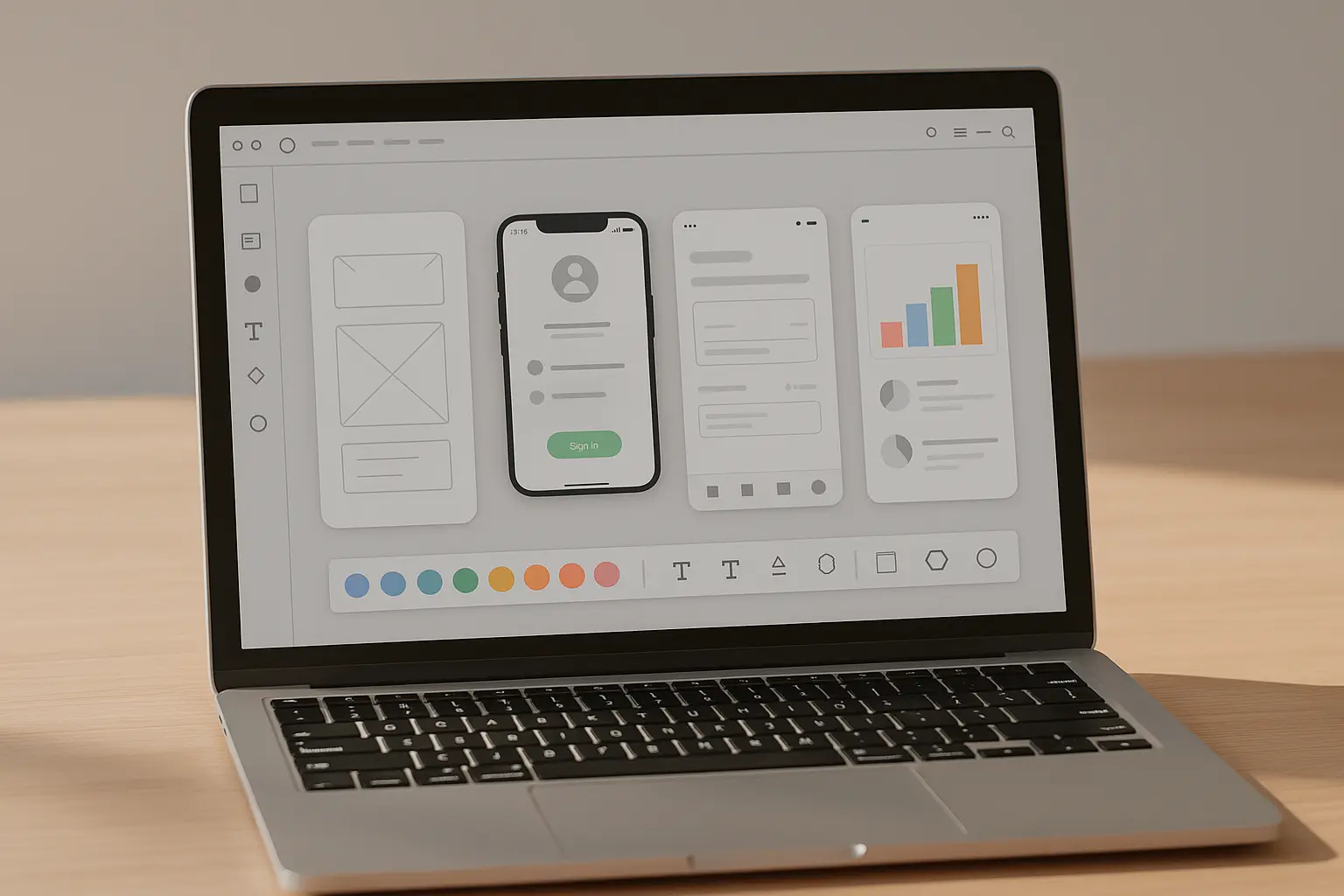
Good design ensures that:
- users understand the product intuitively
- features are easy to find
- conversion, retention, and satisfaction increase
Typical outputs:
- user flows and wireframes
- interactive prototypes
- visual design and design systems
3. MVP vs. Full Product
One of the most critical decisions in product development is:
Do we launch an MVP or a full product?
MVP (Minimum Viable Product)
- focus on core functionality
- faster time to market
- learning from real users
Full Product
- higher initial investment
- broader feature set
- suitable for clear requirements or regulated environments
👉 The right choice depends on goals, market maturity, and risk tolerance.
4. Development & Launch
During development, concepts and designs turn into a real product.
Key components:
- frontend and backend development
- API integrations
- testing and quality assurance
- deployment and go-live
A well-planned launch ensures:
- smooth onboarding
- stable performance
- early user feedback
5. Scaling & Iteration
A digital product is never truly finished.
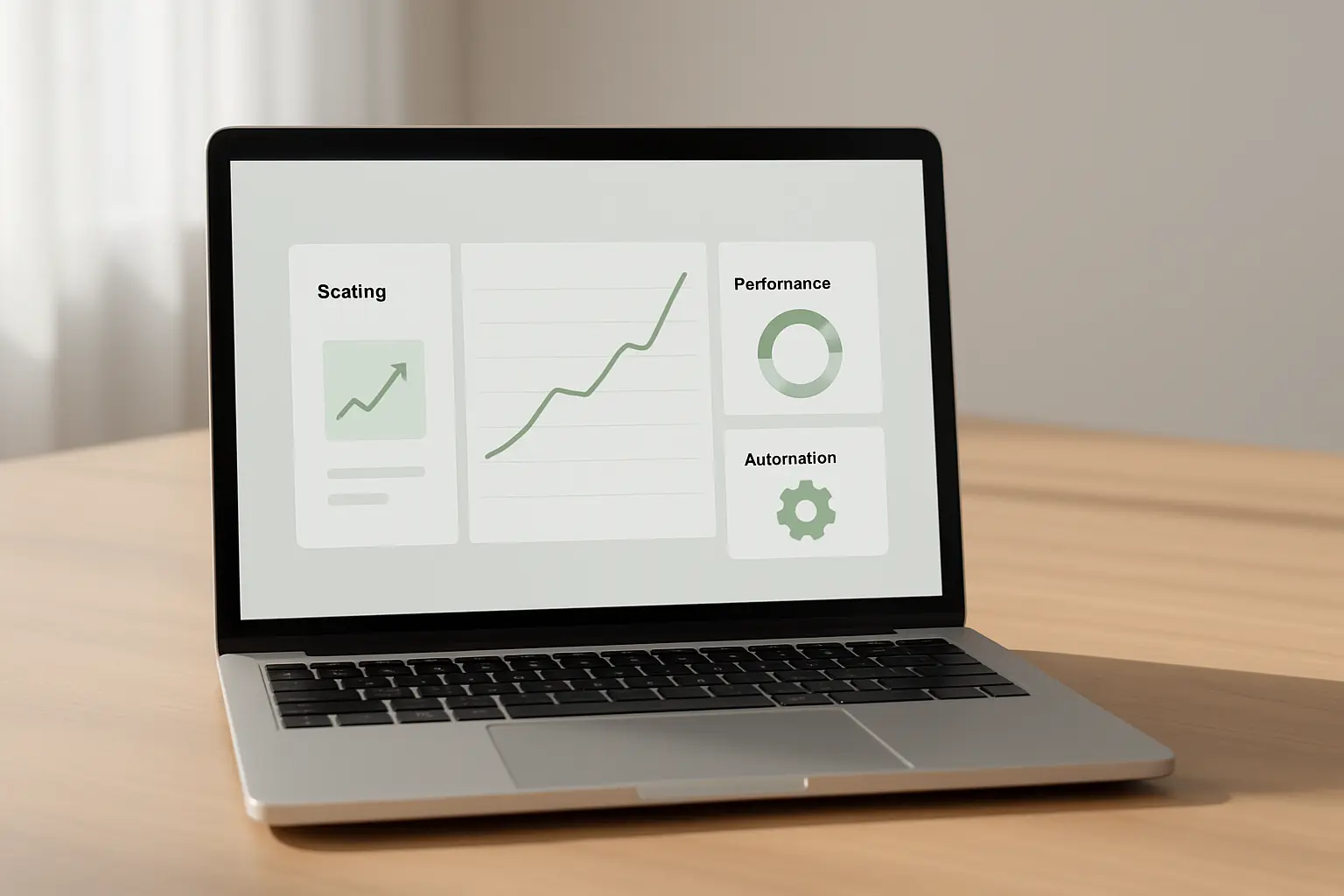
Scaling means:
- building features based on data
- optimizing performance and architecture
- expanding automation and processes
- continuously integrating user feedback
Successful digital products evolve iteratively.
Conclusion
Digital product development is not a one-time project, but an ongoing process.
Teams that work in a structured way, involve users early, and align business goals with technology build products that scale sustainably.
👉 Digital Product Development with MVST
We support companies from idea to scalable digital product —
with strategy, design excellence, and strong engineering.
Learn more:
👉 Digital Product Development - Web & App Development From a Single Source
Newsroom Ideas, Design & Technology in Motion
Practical insights on AI integration, headless e-commerce, UX/UI design, and digital product development. Case studies, implementation guides, and expert perspectives from the MVST team in Munich and Barcelona.
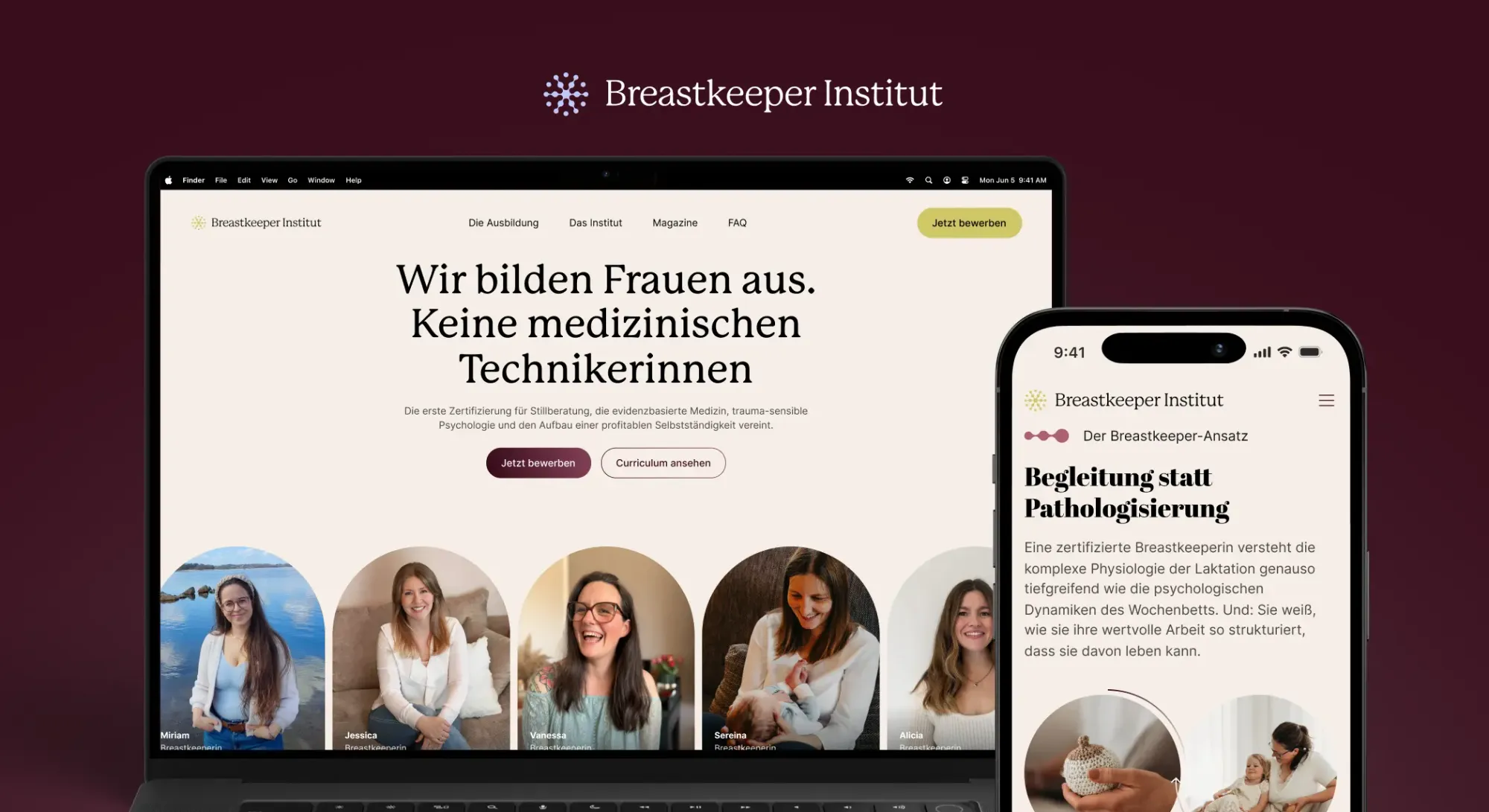
Breastkeeper Institute: A Full Brand Ecosystem, Built End-to-End
Ghida El BadriAug 07, 2026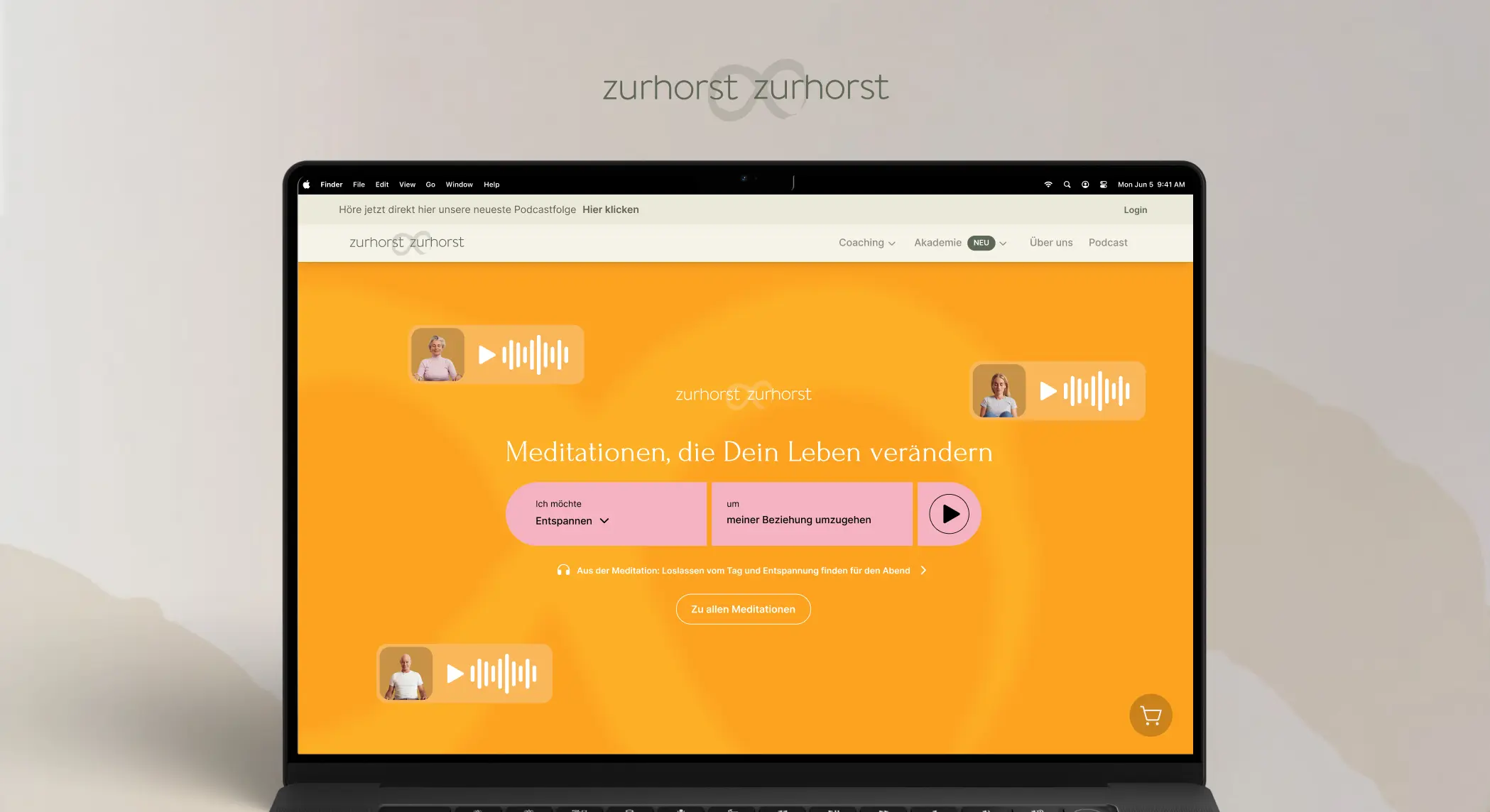
Zurhorst Meditation Shop: A Conversion-First Relaunch
Ghida El BadriAug 05, 2026
Welcome to MVST, Tudor Verzes
Ghida El BadriJul 20, 2026