
Digital Business Models for Digital Products - SaaS, Marketplaces, Subscriptions & Platforms Explained
Digital products are only as successful as their business model.
Not every app should be a subscription. Not every product works as a marketplace. And not every platform scales by default.
This article breaks down the most important business models for digital products, their strengths and risks — and helps you choose the right model for your product.
Why the Business Model Matters
Your business model defines:
- how revenue is generated
- how well the product can scale
- operational complexity and costs
- long-term customer retention
A great product with the wrong business model rarely succeeds.
1. SaaS Models (Software as a Service)
Customers pay a recurring fee to use the software.
Typical Examples
- Project management tools
- CRM systems
- Analytics and reporting tools
Advantages
- Recurring revenue
- Predictable cash flow
- High scalability
Challenges
- Churn management
- High expectations for reliability and support
- Continuous product development required
👉 Best for: B2B products, internal tools, data-driven applications
2. Subscription Models
Users pay regularly for access to content, services, or features.
Typical Examples
- Membership platforms
- Content subscriptions
- Digital services
Advantages
- Stable revenue
- Strong customer retention
- Low entry barrier
Challenges
- Continuous value delivery required
- High churn risk if relevance drops
- Ongoing content or service effort
👉 Best for: Creators, media companies, service-based products
3. Marketplace Models
Marketplaces connect supply and demand. Revenue is typically commission-based.
Typical Examples
- Booking platforms
- Second-hand marketplaces
- Delivery and logistics platforms
Advantages
- Extremely scalable
- Network effects
- Low direct product costs
Challenges
- Chicken-and-egg problem
- High initial acquisition effort
- Quality control on both sides
👉 Best for: Platforms with clear supply and demand dynamics
4. Platform & Ecosystem Models
Platforms go beyond marketplaces by enabling entire ecosystems.
Typical Examples
- App stores
- API platforms
- Plugin and add-on ecosystems
Advantages
- Strong lock-in effects
- High defensibility
- Long-term scalability
Challenges
- High technical complexity
- Longer time to market
- Clear governance required
👉 Best for: Mature products with a long-term vision
Choosing the Right Business Model
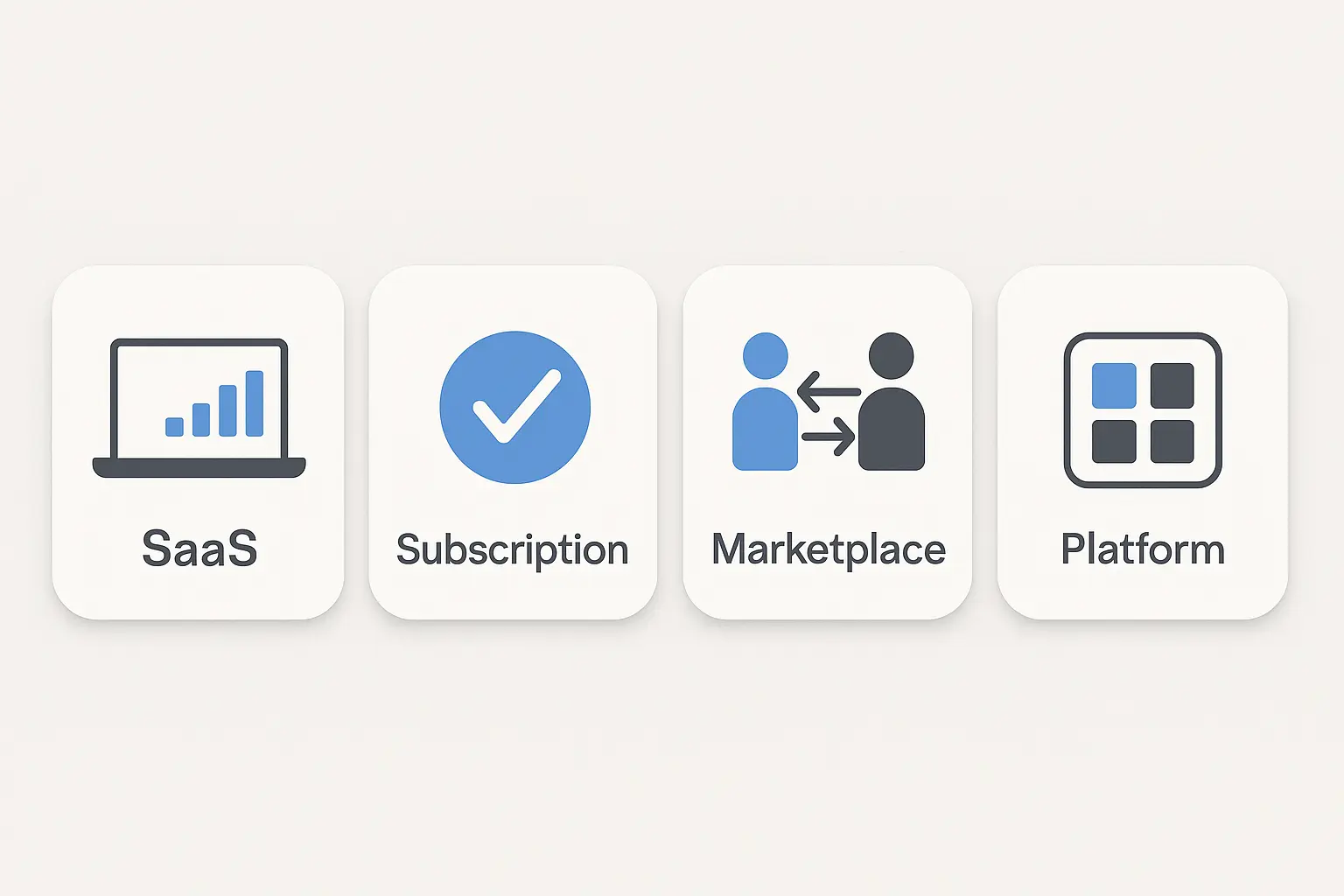
The right model depends on:
- target audience (B2B vs. B2C)
- usage frequency
- competitive landscape
- product complexity
- scaling goals
Often, hybrid models work best, such as:
- Freemium + SaaS
- Marketplace + subscription
- Platform + transaction fees
Conclusion
There is no universally “best” business model — only the right one.
Digital products succeed when:
- product, business model, and users align
- monetization is considered early
- scalability is planned realistically
👉 Build Digital Products with the Right Business Model
At MVST, we help companies:
- define the right business model
- design and build digital products
- launch scalable web and app solutions
BlogBits und Bytes voller digitaler Einblicke.
Praxisnahe Einblicke zu KI-Integration, Headless E-Commerce, UX/UI-Design und digitaler Produktentwicklung. Fallstudien, Implementierungsleitfäden und Expertenperspektiven vom MVST-Team in München und Barcelona.

Breastkeeper Institut: Ein durchgängiges Marken-Ökosystem, von A bis Z
Ghida El Badri07. Aug. 2026
Zurhorst Meditation Shop: Relaunch mit Fokus auf Conversion
Ghida El Badri05. Aug. 2026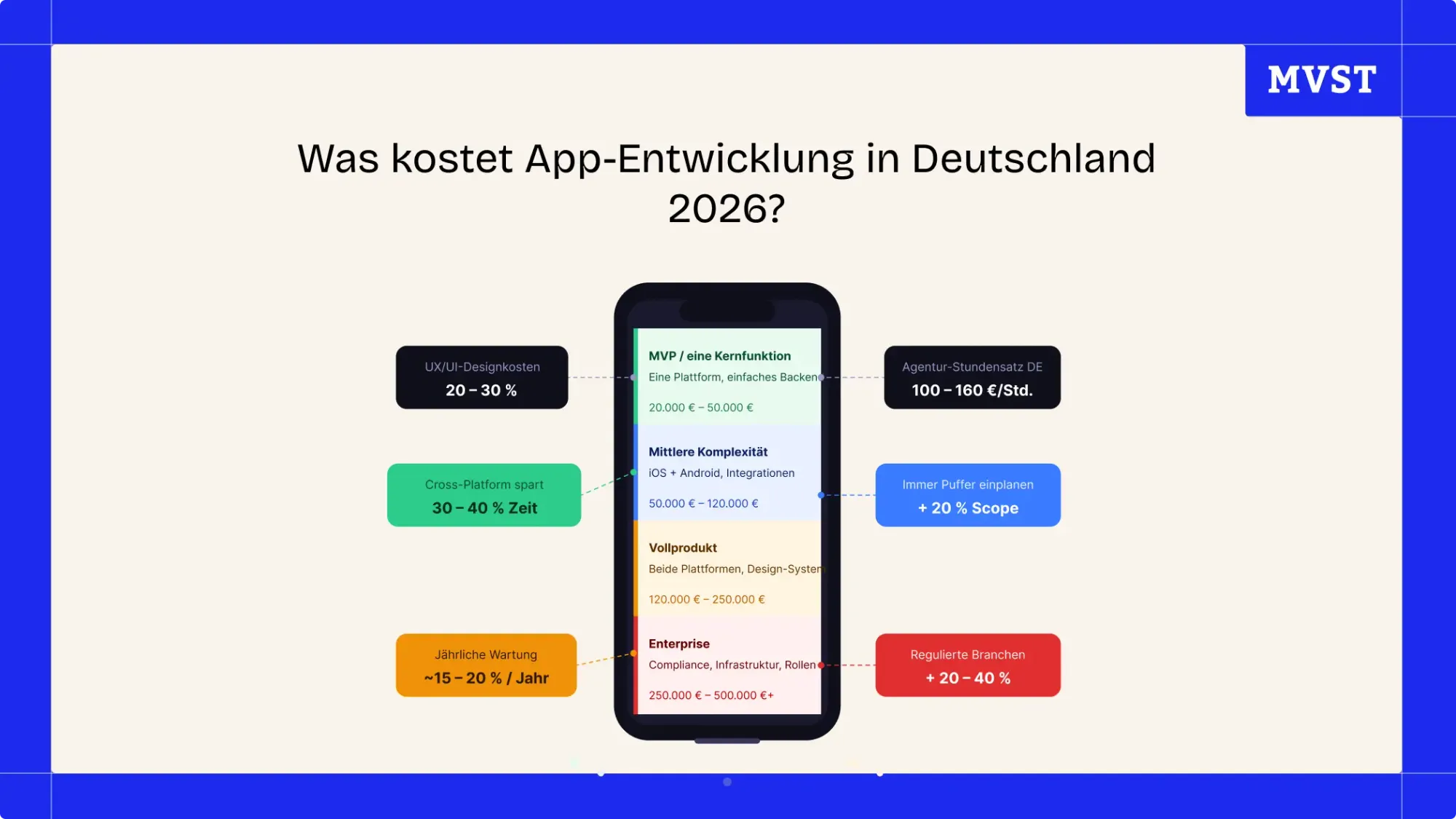
Was kostet App-Entwicklung in Deutschland 2026?
Ghida El Badri17. Juni 2026