
How much does AI integration actually cost for a B2B company in 2026?
AI integration is one of the most searched - and least honestly answered - questions in B2B tech right now. Most agencies either give you a vague "it depends" or quote a number with no context. This article breaks down what AI integration actually costs in 2026, what drives the price, and how to know what kind of investment makes sense for your business.
First: What do we mean by AI integration?
AI integration is not one thing. The term covers a wide spectrum:
- Adding an AI feature to an existing product (e.g. a smart search, a recommendation engine, a chatbot)
- Automating a business process with AI (e.g. document processing, reporting, data classification)
- Building a custom AI agent or workflow from scratch
- Integrating a third-party AI model (OpenAI, Claude, Gemini) into your existing systems
Each of these has a completely different cost profile. Confusing them is the number one reason budget conversations go wrong early.
What actually drives the cost?
Four factors determine the price of any AI integration project:
- Complexity of the use case - Is this a simple API call to an existing model, or a custom multi-agent pipeline with retrieval, memory, and tool use?
- Data readiness - Do you have clean, structured data the AI can work with, or does that need to be built first?
- Compliance requirements - GDPR, HIPAA, or industry-specific regulations add time and cost to every deployment.
- Integration depth - Is this a standalone tool, or does it need to connect to your CRM, ERP, database, or existing product?
Ballpark costs in 2026
These are realistic ranges based on what agencies and development studios charge in the German-speaking and European market:
| Project type | Typical range |
|---|---|
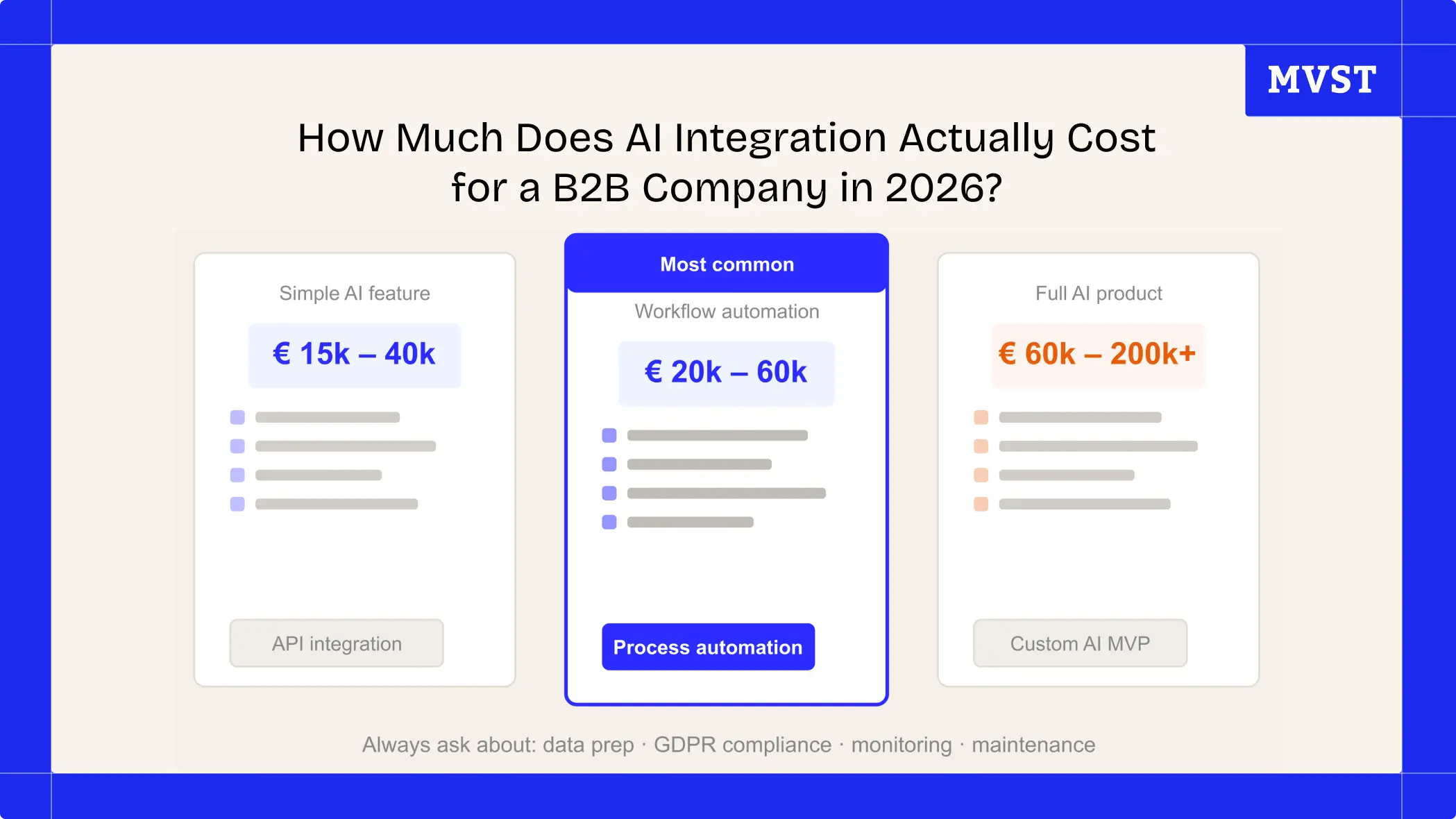
| AI feature added to existing product | €15,000 – €40,000 |
| Automated workflow / process automation | €20,000 – €60,000 |
| Custom AI agent or multi-step pipeline | €40,000 – €120,000 |
| Full AI product build (MVP) | €60,000 – €200,000+ |
These ranges assume a professional development partner with experience in AI deployment, security, and GDPR compliance. No-code or vibe-coded prototypes can be built for less, but they are not production-ready by default.
What's included - and what's not
A well-scoped AI integration project should include: requirements and AI readiness assessment, model selection and configuration, integration and deployment, testing, and a handover with documentation.
What's often not included in initial quotes: data cleaning and preparation, ongoing model maintenance and retraining, monitoring and observability setup, and compliance audits. Always ask about these separately.
The hidden cost: not being ready
The most common reason AI projects run over budget is data readiness. Companies often discover mid-project that their data is unstructured, siloed, or incomplete - meaning significant work is needed before the AI can do anything useful. A proper AI readiness assessment at the start of a project (typically €3,000 – €8,000) saves multiples of that cost later.
What should you budget for in 2026?
For a B2B company looking to integrate AI into an existing product or automate a meaningful business process, a realistic starting budget is €25,000 – €50,000. For a more complex, production-grade AI system with compliance requirements, budget €80,000 – €150,000.
If a vendor quotes you significantly less with no caveats, ask them specifically about data preparation, security review, and GDPR compliance - those costs are either hidden or not included.
How MVST approaches AI integration
MVST is a digital product agency based in Munich with a tech hub in Barcelona. We have delivered AI integrations across healthcare, e-commerce, energy, and HR - including automated medical reporting pipelines, AI-powered job application processing, and intelligent data classification systems. Our process starts with an AI readiness assessment to scope the project accurately before any development begins.
BlogBits und Bytes voller digitaler Einblicke.
Praxisnahe Einblicke zu KI-Integration, Headless E-Commerce, UX/UI-Design und digitaler Produktentwicklung. Fallstudien, Implementierungsleitfäden und Expertenperspektiven vom MVST-Team in München und Barcelona.
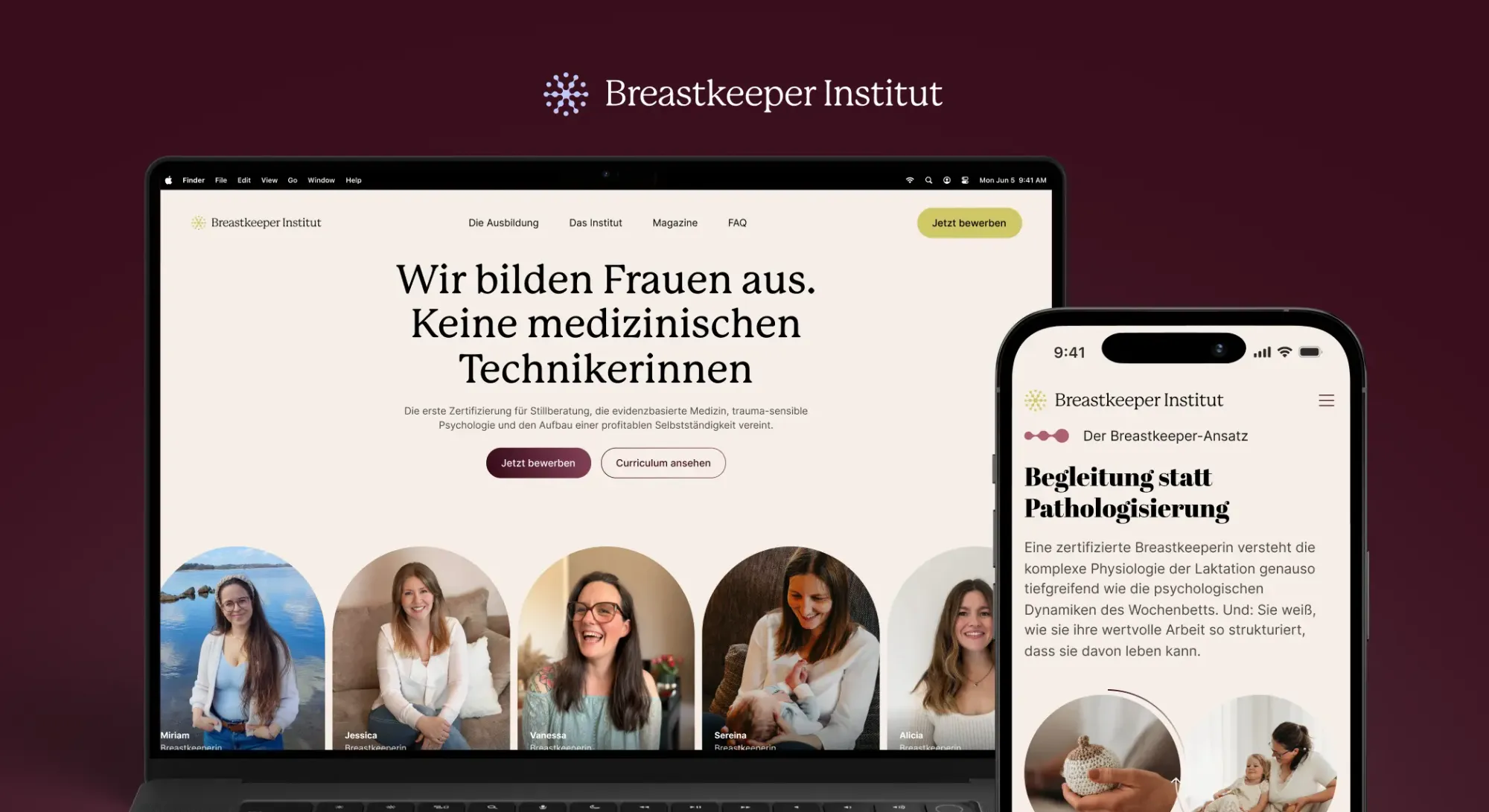
Breastkeeper Institut: Ein durchgängiges Marken-Ökosystem, von A bis Z
Ghida El Badri07. Aug. 2026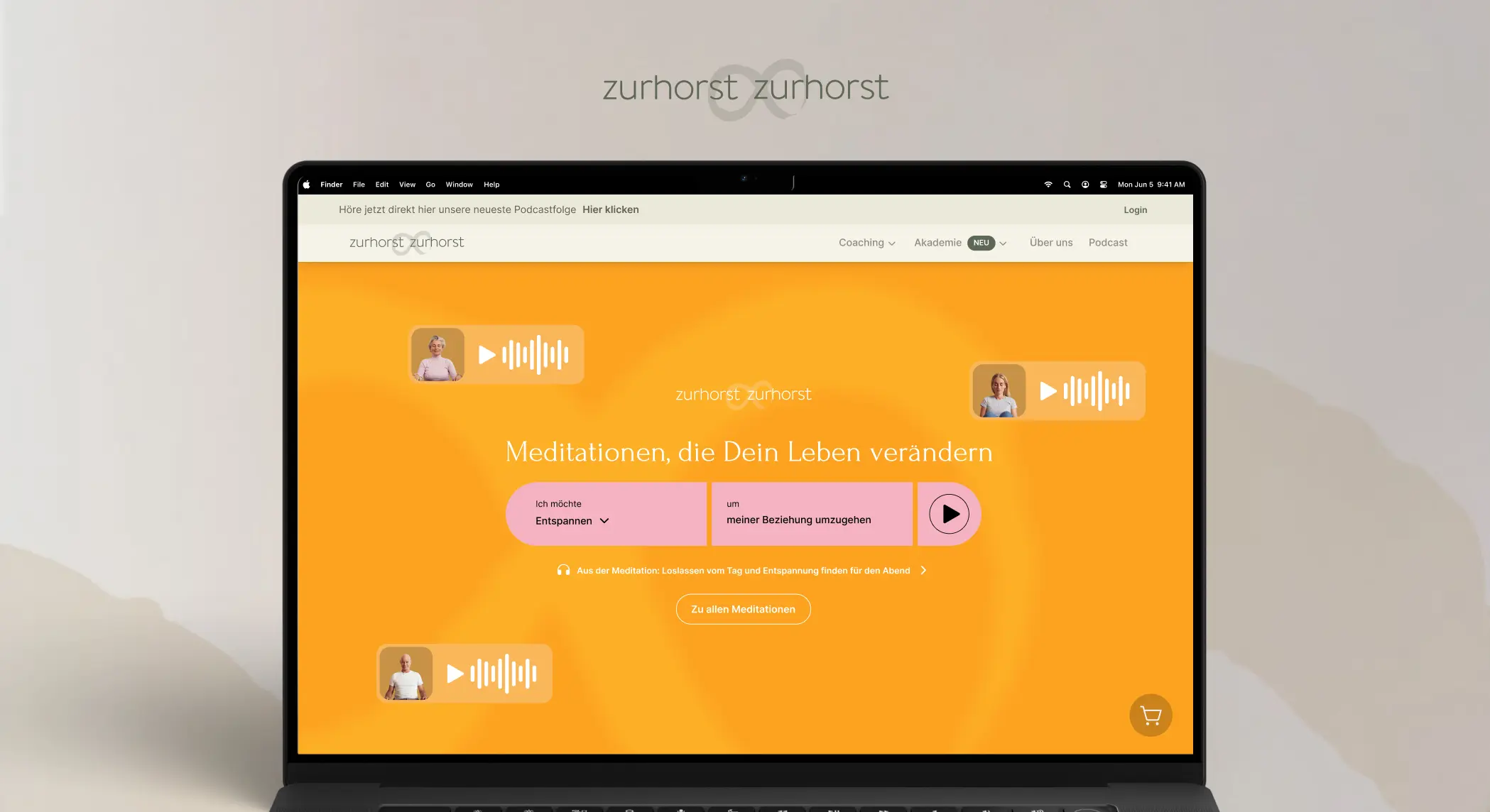
Zurhorst Meditation Shop: Relaunch mit Fokus auf Conversion
Ghida El Badri05. Aug. 2026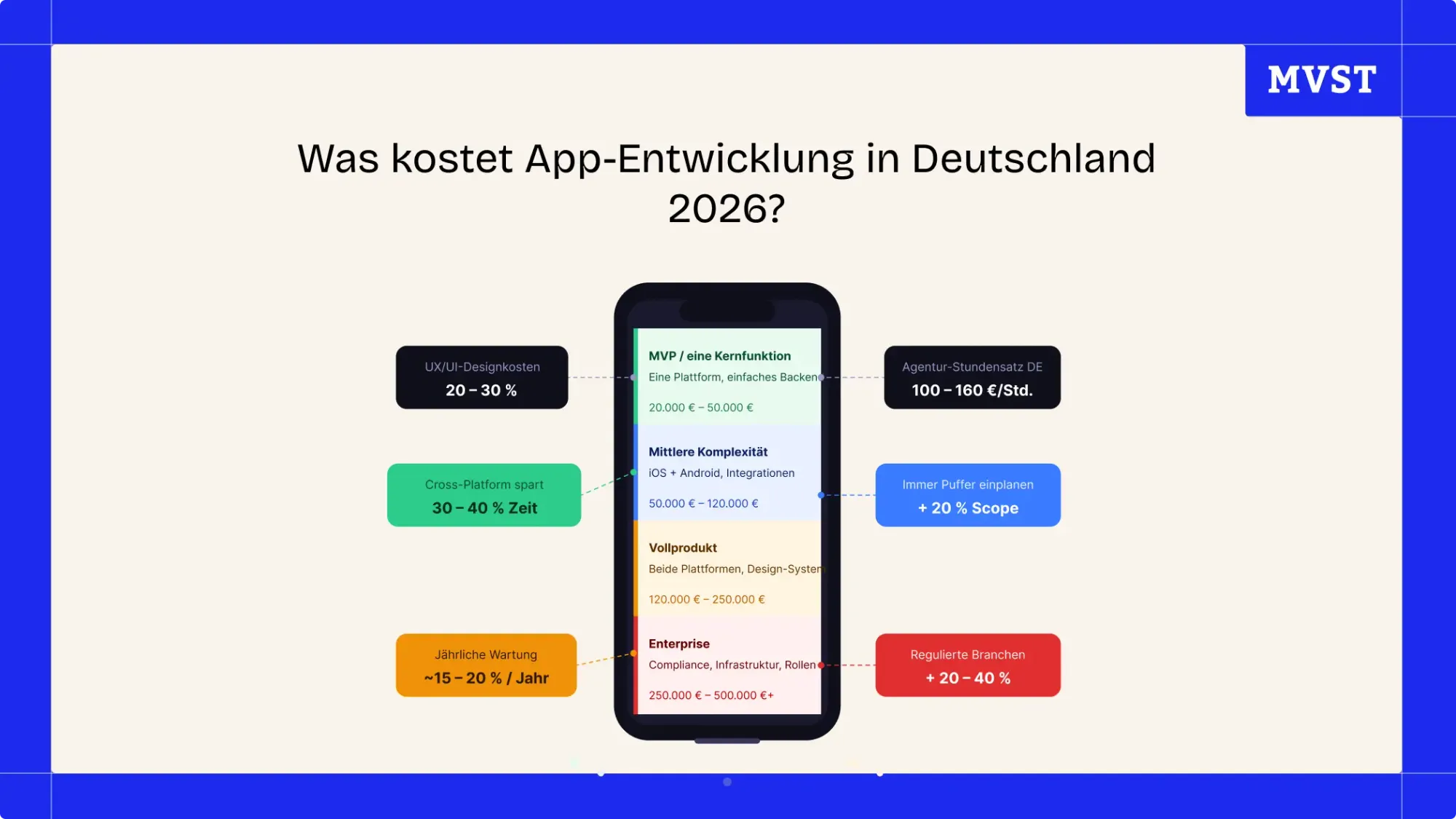
Was kostet App-Entwicklung in Deutschland 2026?
Ghida El Badri17. Juni 2026